
In February, Staatsbosbeheer (the Dutch Forestry Commission) will be working to increase biodiversity in the Krimbos forest. The work will mainly take place in the southern part of the Krimbos. The aim is to make the forest less monotonous in places, with relatively small interventions that can yield big results.
What will happen in February?
Until 1 March, the following will be done, among other things:
- Pruning copses
- Clearing overgrown waterways
- Adding more variety and layering to the forest edges
Some parts of the forest may therefore be closed for a short period for safety reasons. The work will be completed before 1 March, i.e. before the start of the breeding season.
From a straight edge to a gentle transition
In some places in the Krimbos, trees now stand quite abruptly along paths or lanes. It is precisely this transition that is important. Staatsbosbeheer therefore works according to the principle of fringe–mantle–core:
- Fringe: the low part with herbs and flowers (mowing management gives more species a chance)
- Mantle: the zone with shrubs and willows, for example
- Core: the older forest, which is allowed to develop diversely
Giving species space and leaving dead wood lying around creates more life. Many organisms in the forest depend on dead wood.
Variation = a stronger and more enjoyable forest
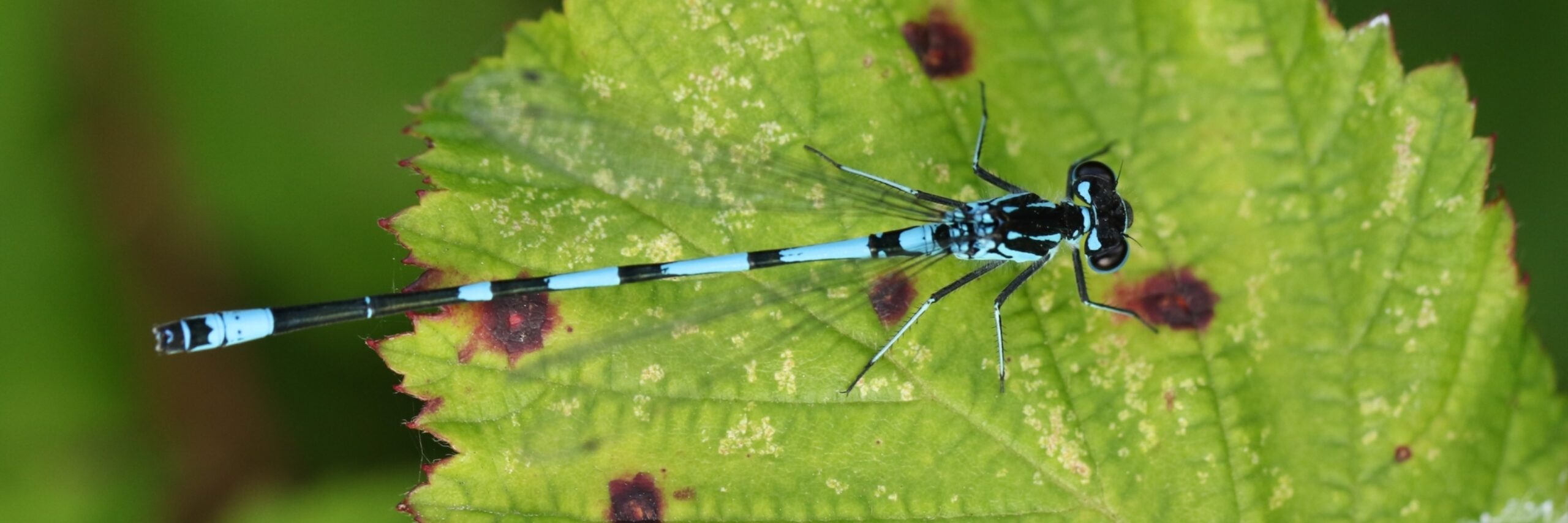
A mixed forest with different tree and shrub species, structure and dead wood not only provides more flora and fauna, but is also less vulnerable to storms, fire and large-scale damage by fungi or insects. And for you as a walker, it's even more enjoyable: open spaces, gradual forest edges and paths along the water make a walk in the Krimbos just that little bit more exciting. In recent years, the Krimbos has become increasingly interesting for insects. In fact, insects have been found there that are not found anywhere else on Texel, such as the variable damselfly (photo at the top of the page) and the southern hawker.
More actuality
Sign In
Do you want personal tips for your holiday? Then sign up for the newsletter