
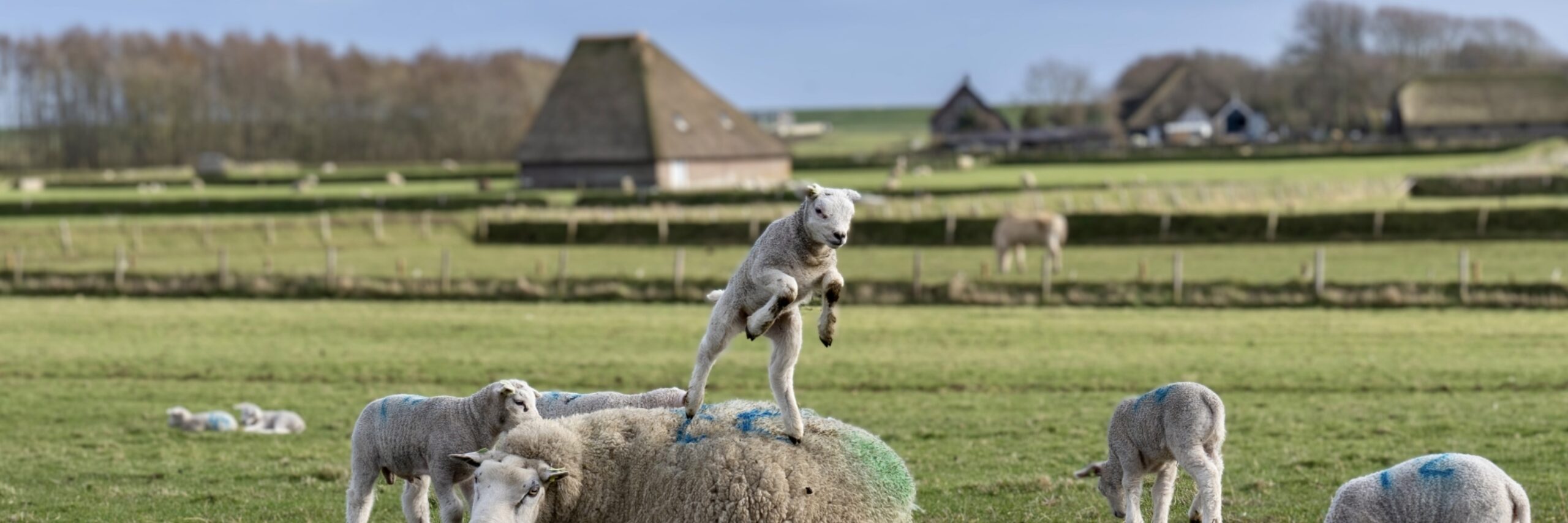
No Texel without sheep
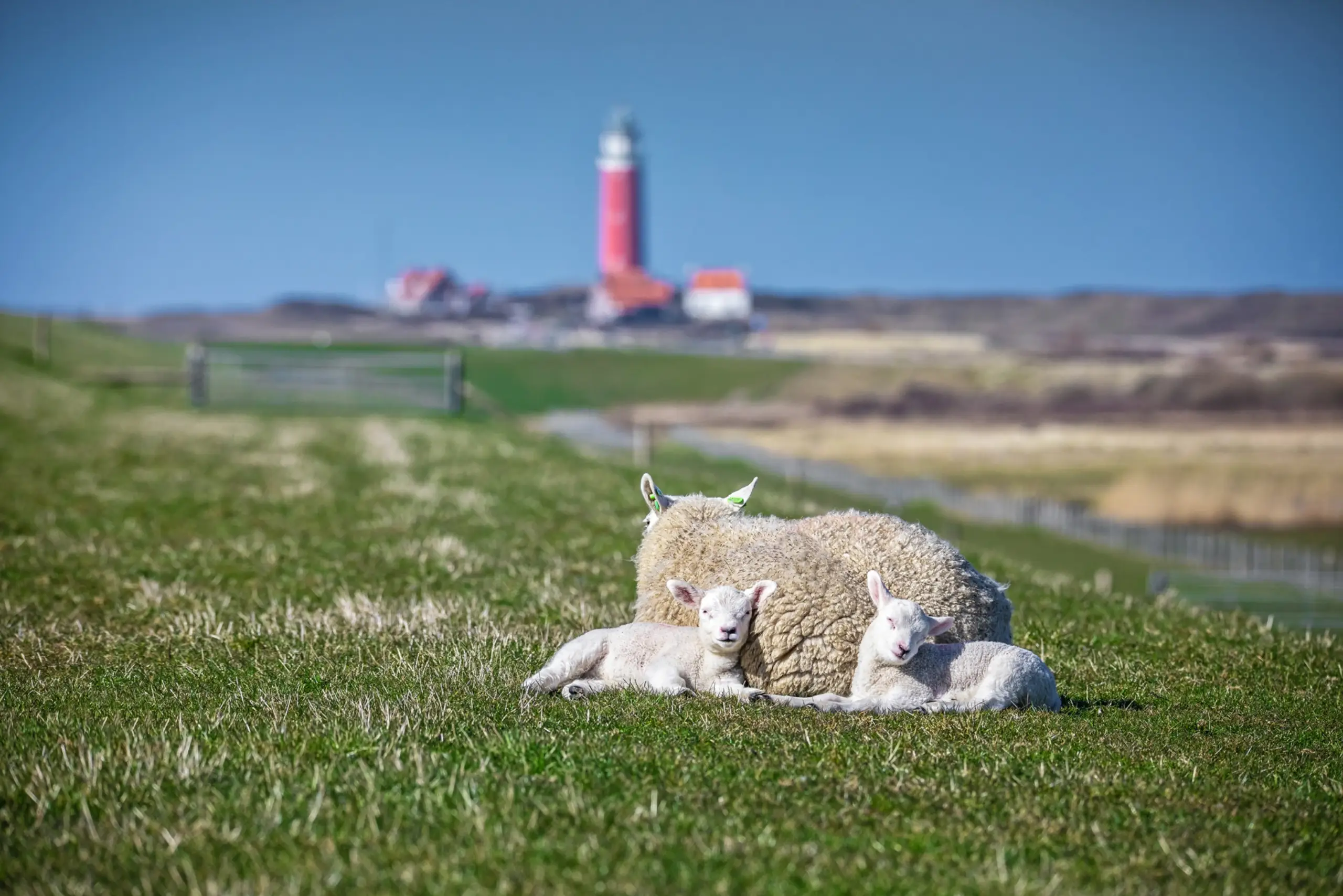
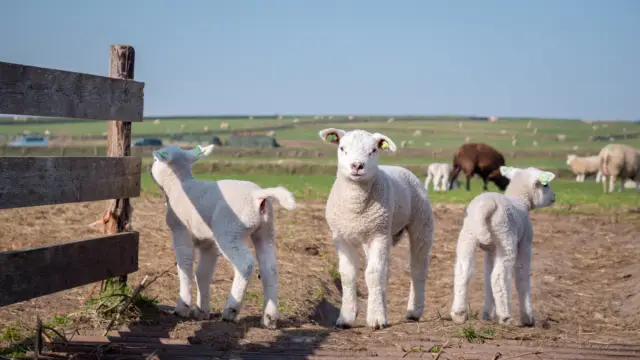
In recent years, fewer and fewer sheep have been living on Texel. Initially, there were as many sheep as there were inhabitants, around 14,000. Now there are only around 9,000. It is difficult to imagine Texel without sheep. Without the sheep pens, the meadows with their ponds and the lambs in spring. Sheep have lived here for hundreds of years and are part of Texel's culture.
You can help
Various initiatives are underway to preserve sheep on Texel, and we will of course keep you informed about these in our newsletter. But did you know that you can also do something yourself? Here are a few tips.
1. Adopt a patch of De Hoge Berg
Due to high land prices, the grassland on De Hoge Berg is at risk of disappearing, as sheep farmers can no longer purchase or lease land that becomes available. This also puts pressure on the landscape, the garden walls, sheep pens and the Texel sheep. By adopting a piece of De Hoge Berg, you help the De Hoge Berg Area Cooperative to purchase land and preserve it as grassland.
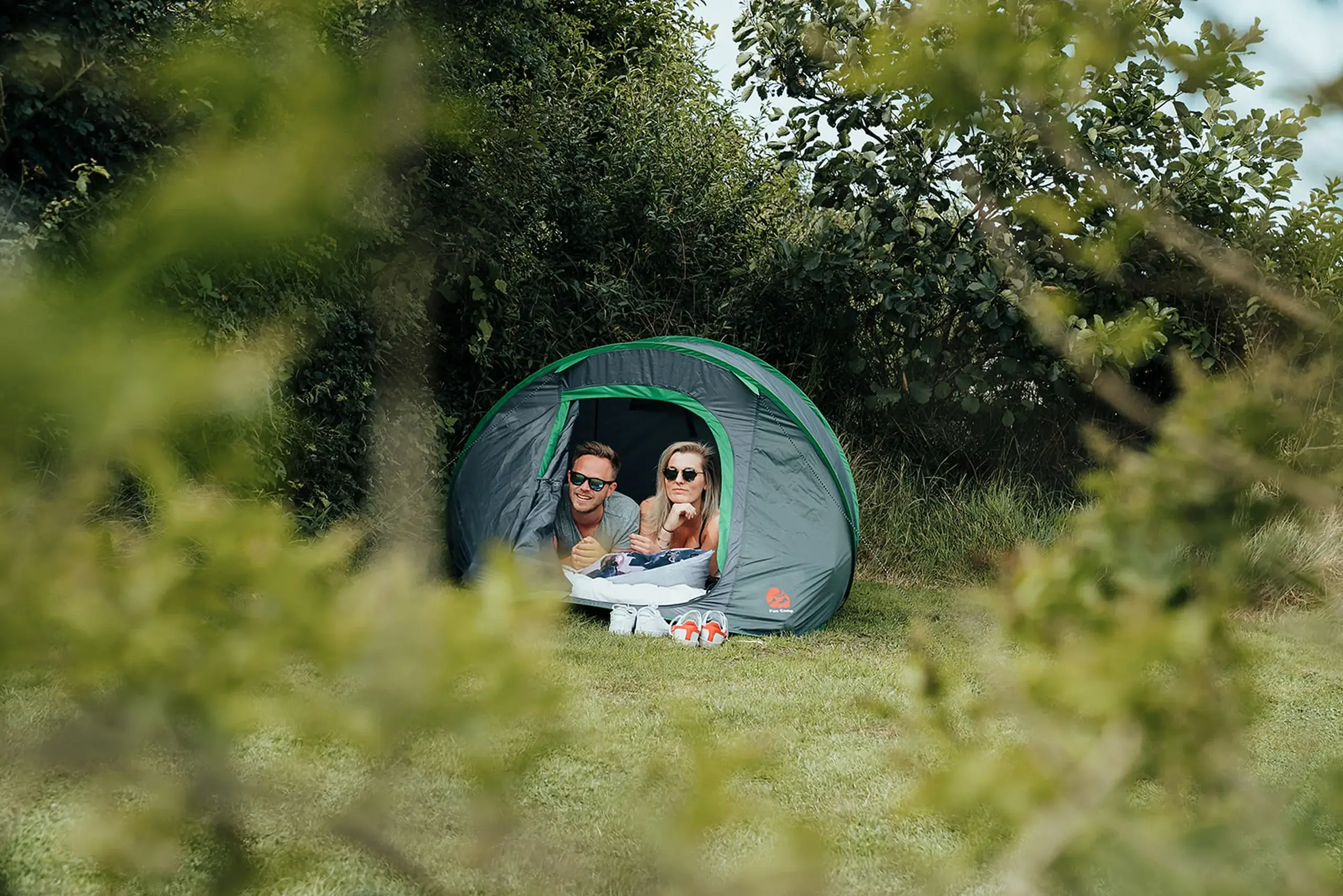
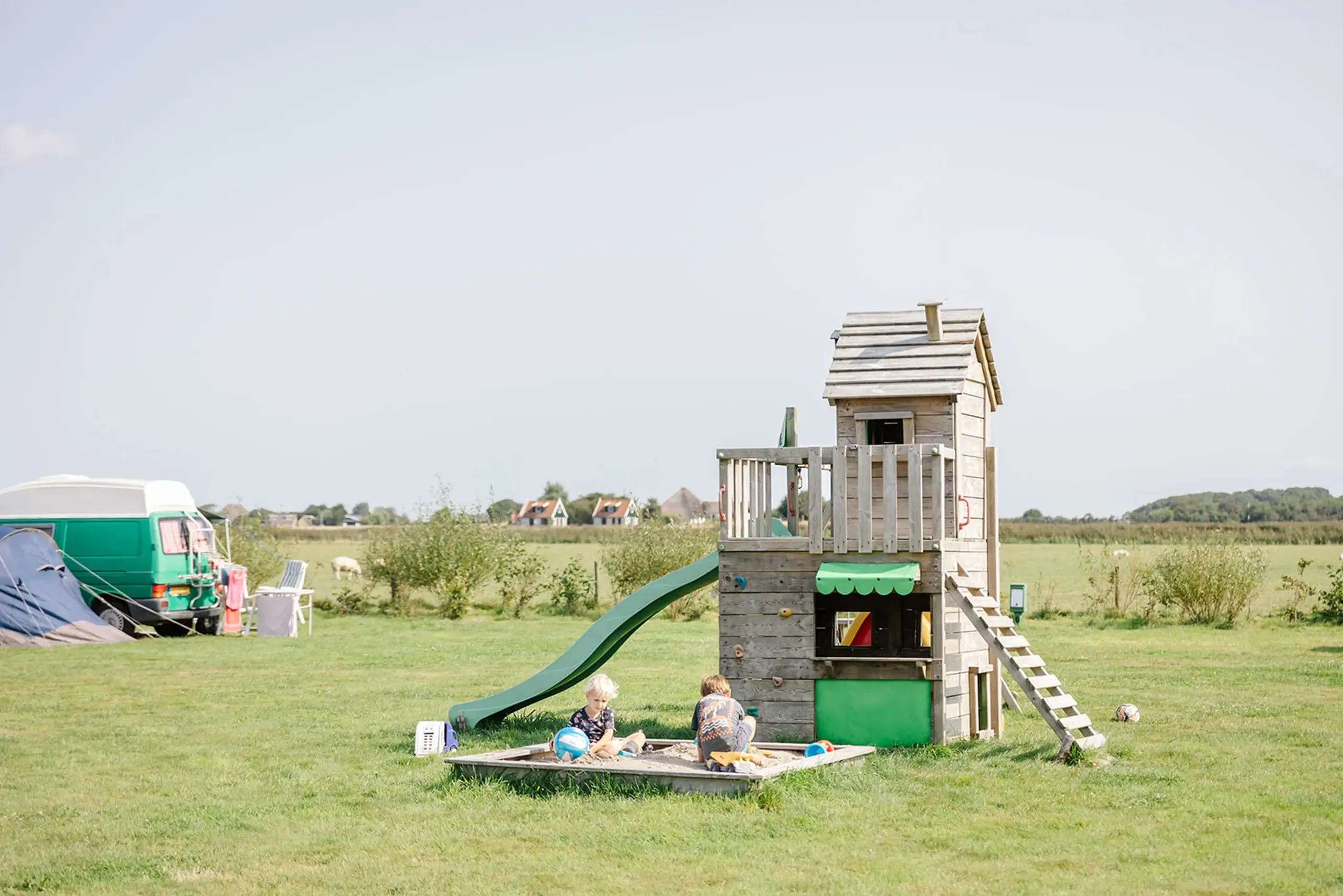
2. Camping on a farm
By camping on a farm, you are directly helping out: you book your stay on the farmyard where the work with the animals continues. Take a look at, for example:
- Farm campsite Schapenboerderij Westerweg (Den Hoorn). Here you can camp with a view of meadows with sheep and lambs. The Texel Farm Shop is also located on the farmyard.
- Farm campsite De Texelaar (De Waal). Next to the farm are two spacious camping fields and you can see the sheep walking around the campsite.
- Farm campsite Weilust (De Cocksdorp). A small-scale sheep farm with 150 sheep, in the north of the island, not far from De Slufter.
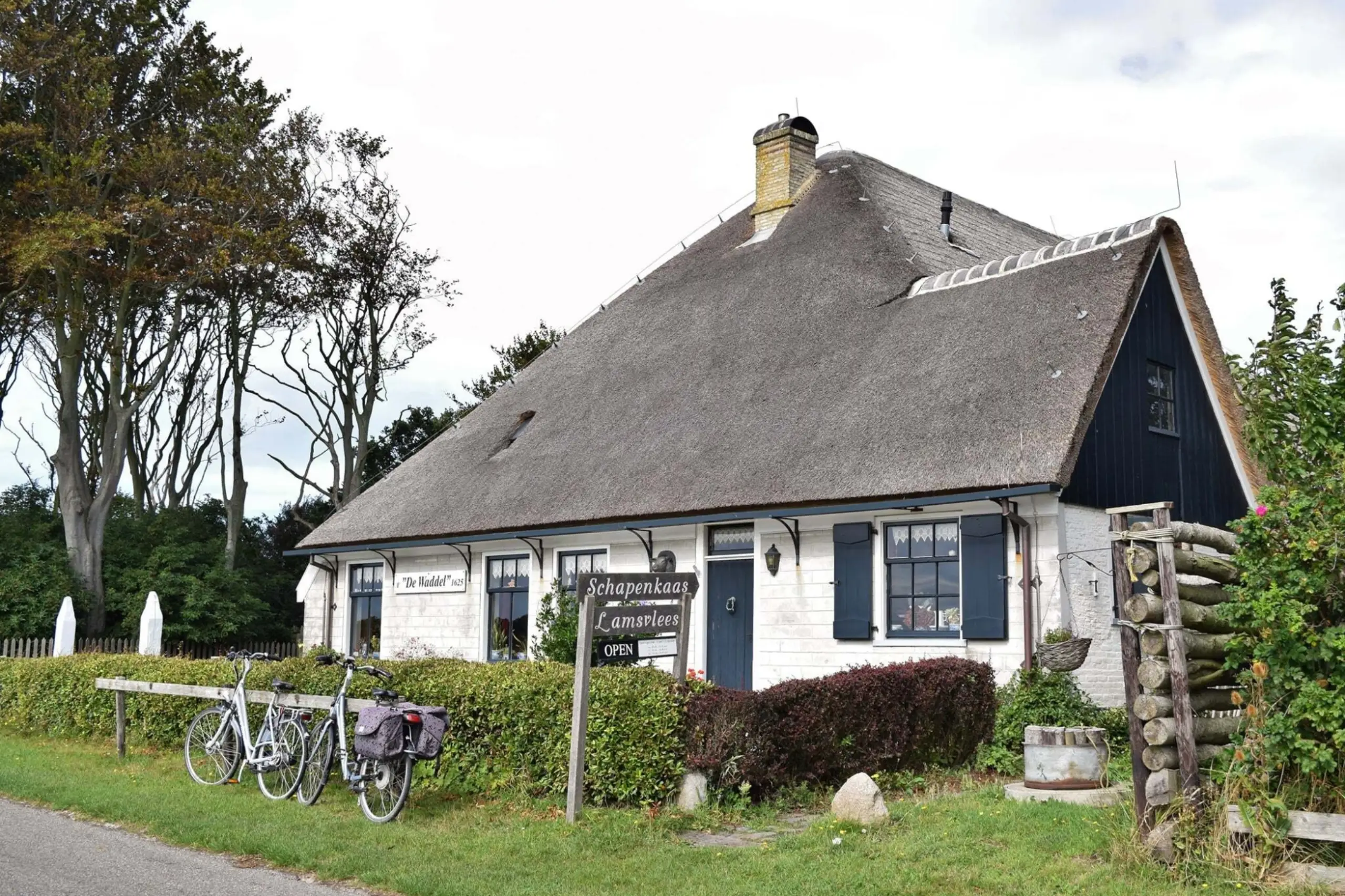
3. Visit De Waddel's shop
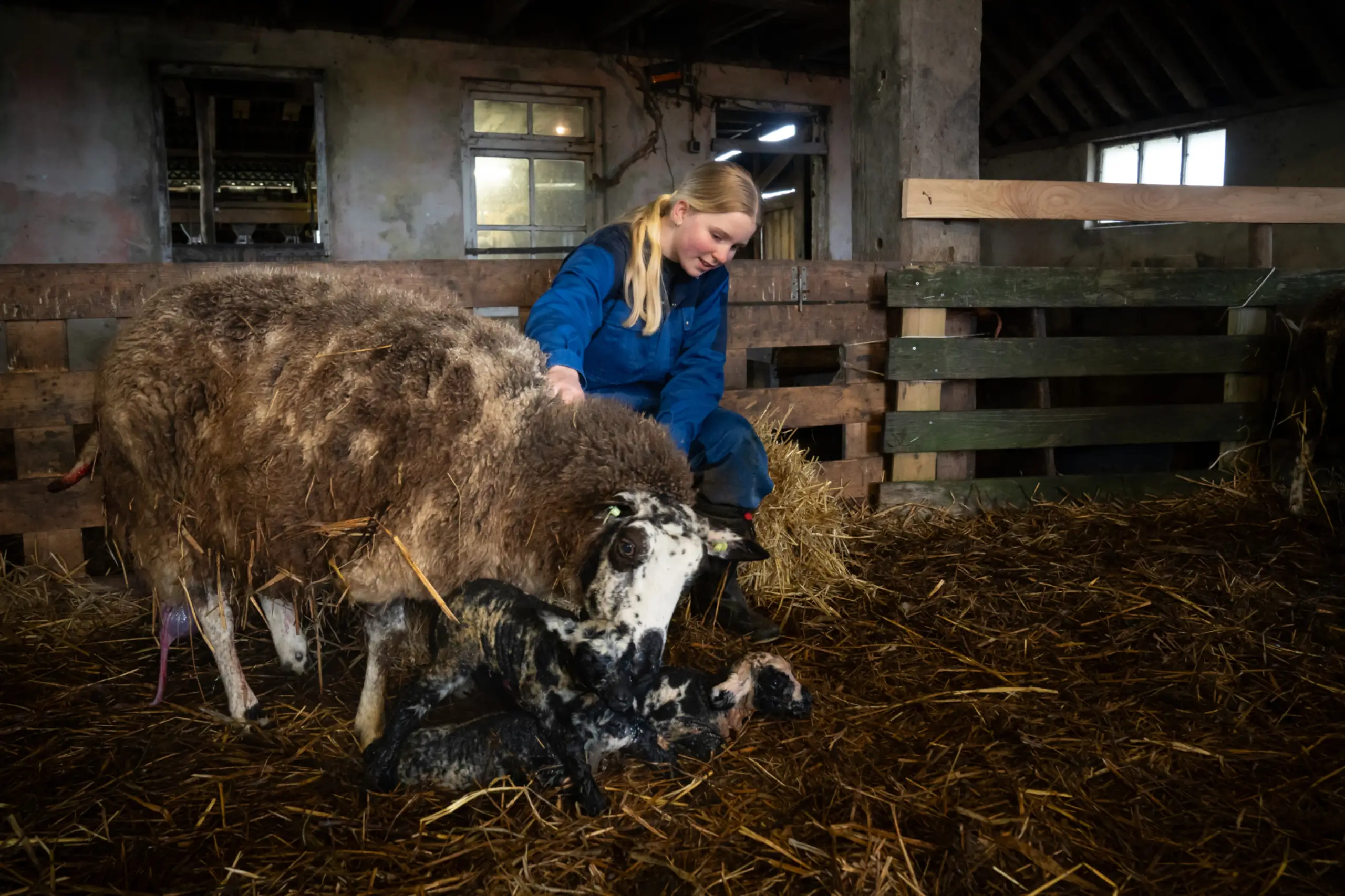
Various sheep farmers sell their products in a shop or stall along the road. At De Waddel on the Hoge Berg, you can buy products from their own sheep. The shop sells sheep's cheese and lamb, as well as jam and wool. Is the shop closed? You can also buy something outside opening hours from the 24-hour vending machine. In the spring, you are also welcome to come and see the lambs in the barn. Address: Westergeest 4, Den Burg.
4. Visit Texel sheep farm
At Texel Sheep Farm, you can watch the lambs up close. In addition to sheep and lambs, there are many other farm animals to see. The farmyard also has a shop selling farm products, a playground for children and a coffee corner where you can relax with a tasty treat. A great stop if you are travelling with (grand)children. Address: Pontweg 77, Den Burg.
5. Shopping at De Texelse Boerderijwinkel
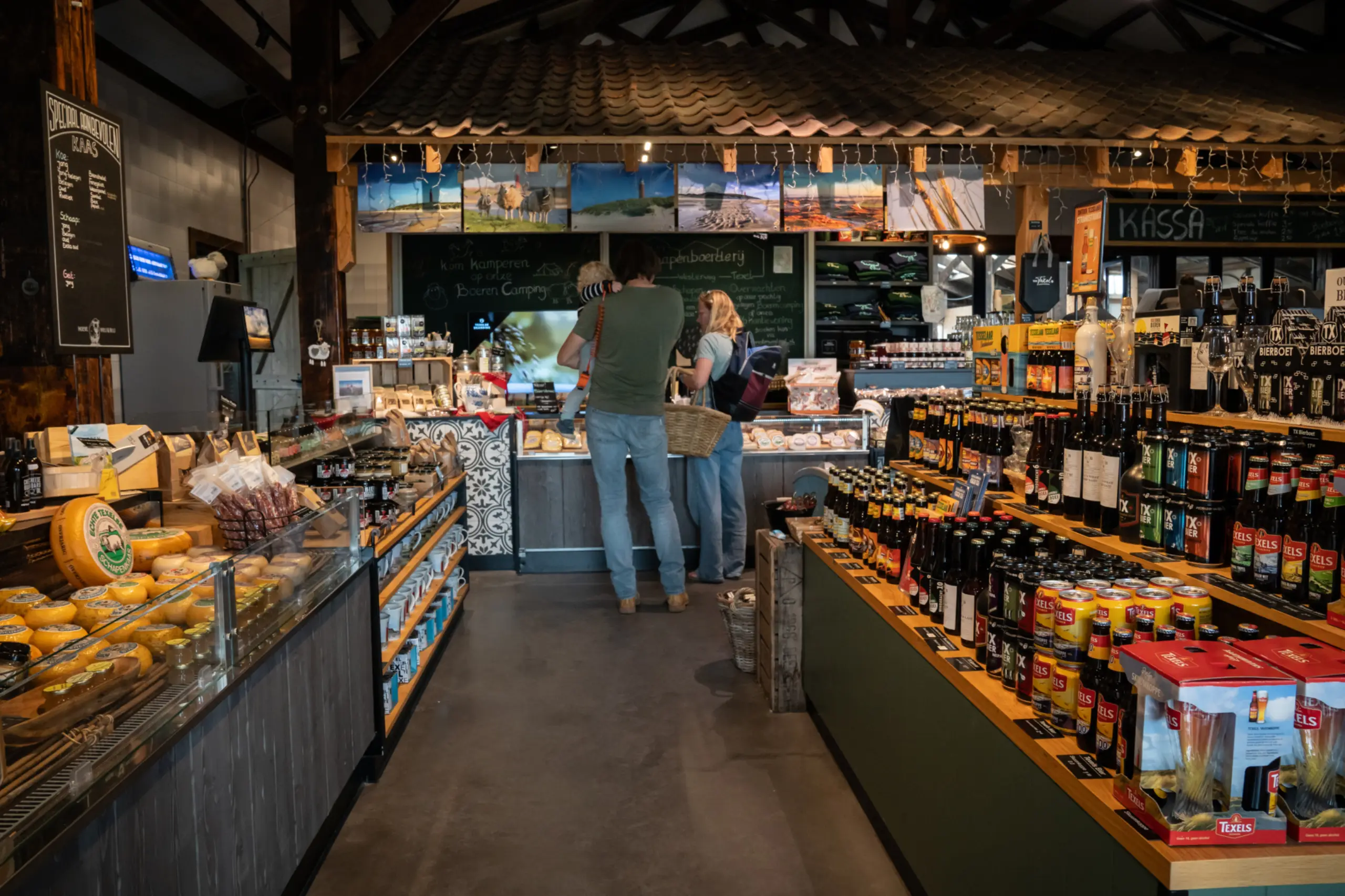
At De Texelse Boerderijwinkel, you can stock up on many different Texel products. Among other things, you will find meat from their own animals and an assortment of farm and regional products, such as dairy and cheese. An added bonus: you can also walk through to the barn, where you can see the sheep, lambs and other animals. Address: Westerweg Westerweg 80, Den Hoorn.
6. Shop Skéépe products
What began as a love for Texel sheepskins has grown into a brand offering a wide range of wool products sourced from Texel. At Skéépe, you’ll find sheepskins, woollen throws, sheep’s wool socks, knitting wool and walking wool made from Texel sheep’s wool. Hiking wool is natural sheep’s wool that cares for the skin and protects against blisters and pressure points whilst walking. The lanolin in the wool softens the skin, whilst the fibres reduce friction. Texel wool is a fair, natural product, lovingly crafted in collaboration with local farmers.
7. Choosing local meat
It may sound contradictory, but if no one ate lamb, sheep farming on Texel would cease to exist. Wool and sheep’s cheese simply do not provide farmers with enough income. Texel lamb comes from a good background – every Texel sheep lives outdoors and has plenty of space. You won’t find any mega-barns or mass production on Texel. The meat is often described as the finest lamb in the world. Fancy giving it a try? Lamb dishes are available in many Texel restaurants, such as Taveerne De Twaalf Balcken in Den Burg, Bij Jef in Den Hoorn or Restaurant Julia’s in De Cocksdorp.
8. The Lamb Walk
The Lamb Walk is an activity organised by De Waddel on the Hoge Berg. You start at the farm and follow a route through the typical Texel landscape with tuunwalls, sheep pens and kolken. Along the way, you will learn more about the area and sheep farming. There is a treasure hunt for children, and you will receive a package of treats to enjoy along the way or at home. It is an accessible way to experience the landscape and support sheep farming.
A future for sheep farming also means a future for the Texel landscape that we enjoy so much. You can contribute to this by buying from the farmer during your holiday, choosing a farm campsite, or eating lamb.
The main photo on this page was taken by Yvonne Eelman.
More about Texel sheep
Sign Up
Would you like to receive our newsletter, packed with tips on Texel, the latest news, and giveaways?