
Tuunwallen
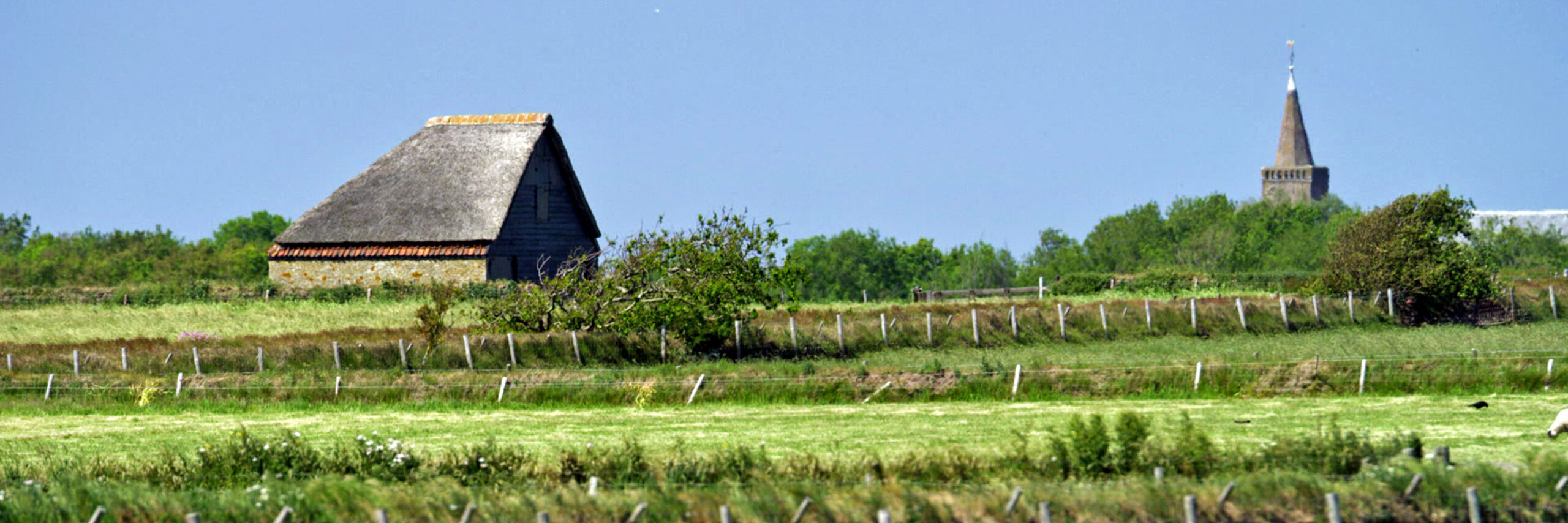
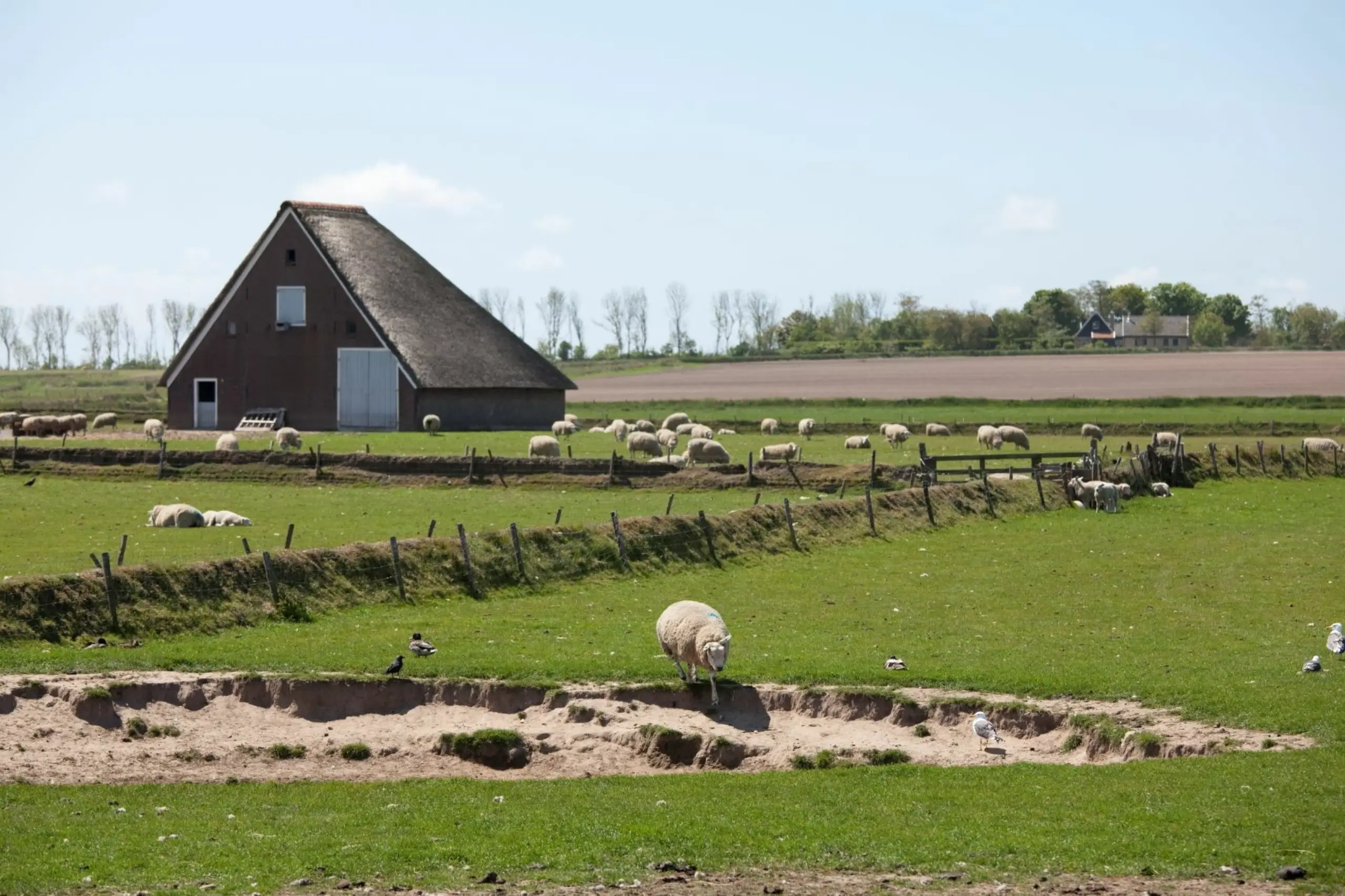
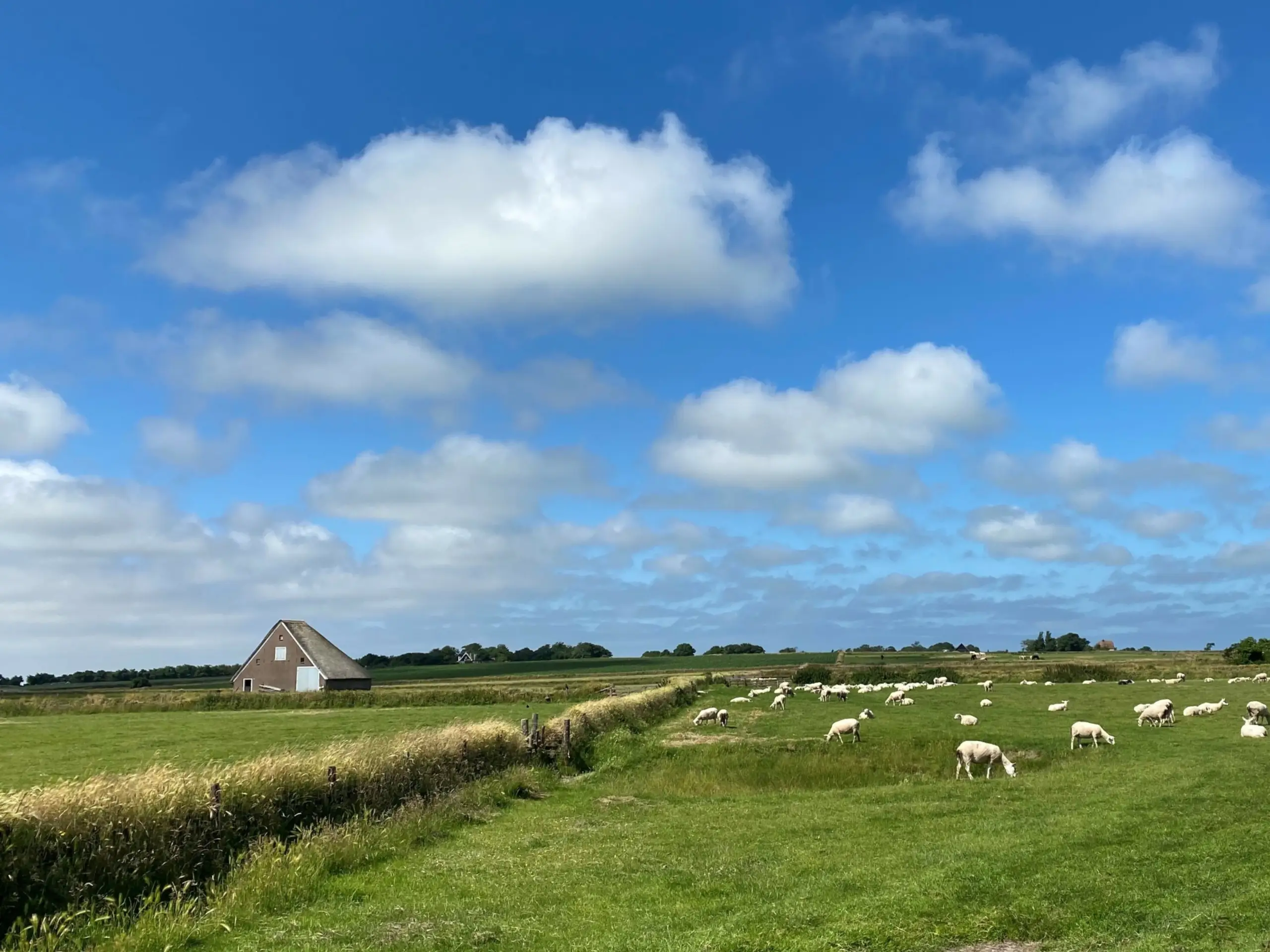
On Texel, pastures are often not fenced off with fences or wire mesh, but with tuunwalls: low walls made of turf that have been part of the island for centuries. They keep sheep in their own pasture and at the same time provide shelter from wind and rain.
What is a tuunwall?
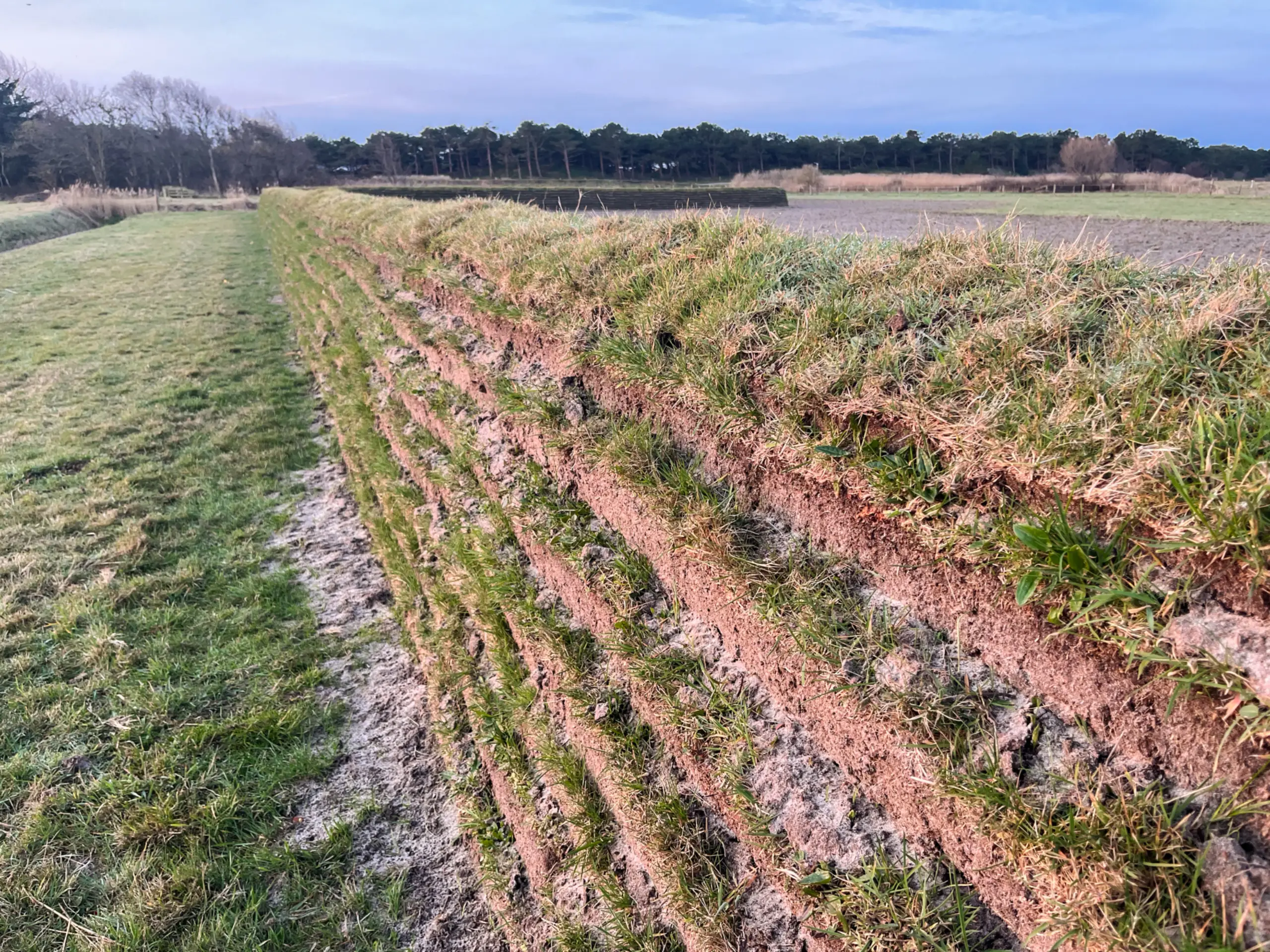
A tuunwal (also known as a “tuunwoal” in the Texel dialect) is a plot divider made of turf. On Texel, you will find them in all kinds of places in the landscape. The first tuunwalls appeared on Texel at the end of the 16th century, but especially in the 17th century: the island was then divided into smaller plots and the characteristic “boxes” in the landscape were created. Digging ditches in the undulating terrain made little sense and wood for fences was scarce on the island. A tuunwal is constructed from layers of sod, which often gives it a rough structure with small cracks and bumps. A tuunwal is usually about half a metre to a metre high, with a wider base and a narrower top. In summer, they can be covered with beautiful herbs and flowers.
Where can you see tuunwallen on Texel?
You will find them mainly in the Oude Land van Texel, from Den Hoorn to Oosterend. Most tuunwallen can be seen in the De Hoge Berg landscape reserve. Together with sheep pens, old farms, ponds and sheep, they form the area. If you would like to take a lovely walk among the tuunwalls, download our free walking route Through the tuunwall labyrinth ( only available in Dutch or German ). This route of approximately 15.5 kilometres goes from Den Burg to Oudeschild and back again.


Life on and in the tuunwal
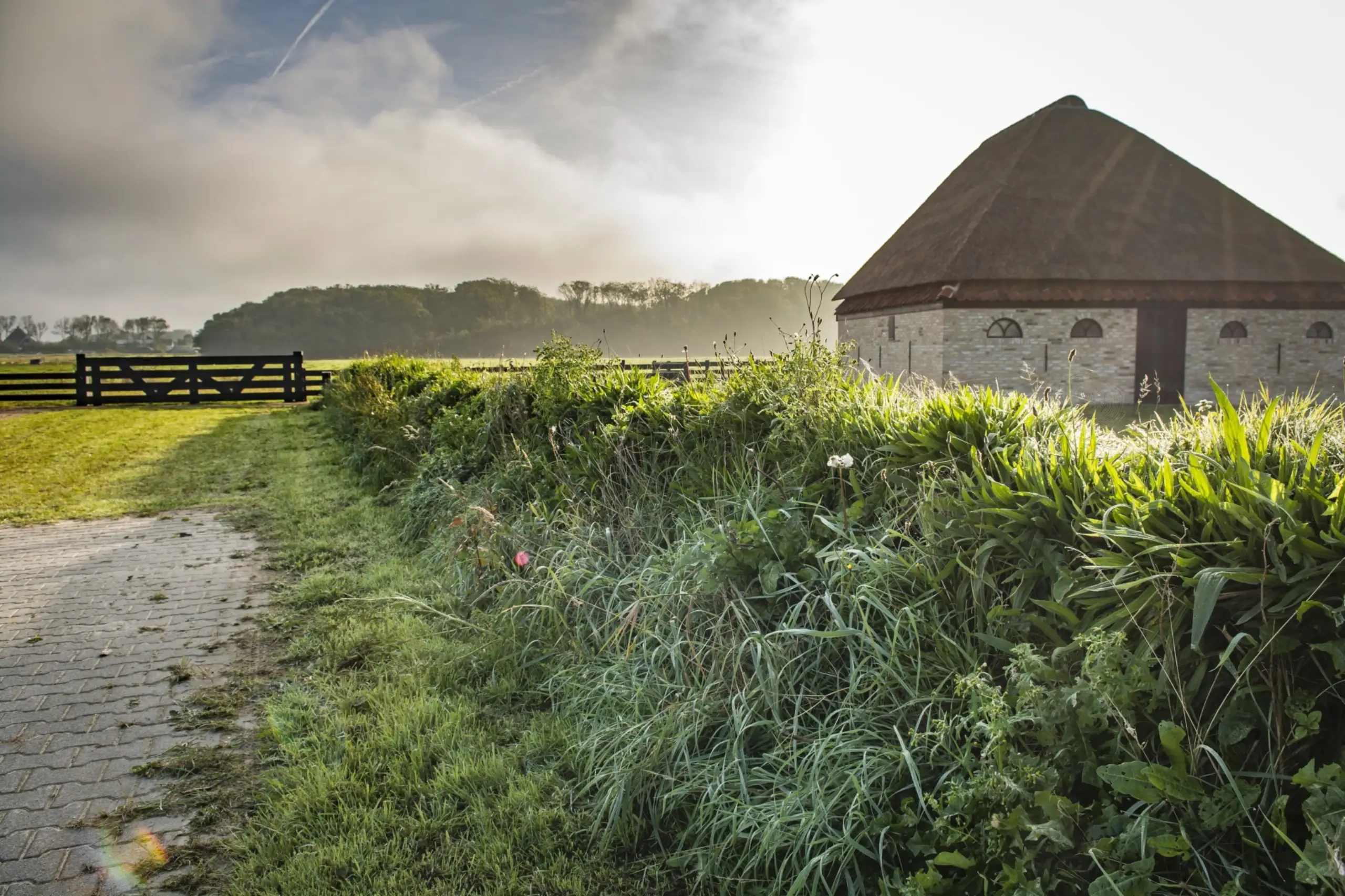
There is sometimes a surprising amount of life on and in a tuunwal, especially in the holes and crevices between the turf. Ants, spiders, solitary bees and parasitic wasps find a place to shelter or nest there, and mice also use these sheltered spaces. On a new grass bank, the plants that were already in the sods are the first to grow. Rain slowly washes nutrients out of the top layer. This causes plants that need a lot of food to disappear. Species that thrive on poor and dry soil, such as sand blue and small ragwort, then return. On older embankments, you can also see snowdrops, yellow bedstraw and field hornflower, and in saltier areas, hart's-tongue fern and English grass.
More about the Texel landscape


Sign In
Do you want personal tips for your holiday? Then sign up for the newsletter